



The Nigeria Centre for Disease Control and Prevention (NCDC) has urged state governments to strengthen year-round community engagement to curtail the spread of Lassa fever.
In its latest situation report for epidemiological week 31, the agency confirmed nine new cases in Ondo, Edo and Taraba, up from three reported the previous week.
This, the NCDC said, brings the total confirmed cases to 836 across 21 states and 105 local government areas, with an 18.7 percent case fatality rate, higher than the 17.3 percent recorded in the same period in 2024.
The agency said the country has recorded 156 deaths from the disease in 2025.


According to the report, 90 percent of confirmed cases were recorded in five states: Ondo (33 percent), Bauchi (23 percent), Edo (17 percent), Taraba (14 percent), and Ebonyi (3 percent).
Also Read:
- I feel sorry for fans, Joao Pedro reacts to Chelsea loss
- Xenophobic Attacks: National Assembly to visit South Africa parliament
- Decline of human-interest journalism in Nigeria, by Dele Momodu
- Ganduje recognises Sanusi as Emir of Kano
- Defections: I think ADC is dead – Senator Akpabio
It said that the most affected age group was 21–30 years, with more men than women infected.
The NCDC noted that no new healthcare worker infections occurred in the reporting week.
However, it identified challenges including late presentation of cases, poor health-seeking behaviour due to high treatment costs, and poor environmental sanitation in high-burden communities.
To tackle the outbreak, the agency said it has deployed its rapid response teams and launched training and fellowship programmes.
The public health agency said that it has also integrated Lassa fever messages into broader risk communication efforts and distributed essential commodities such as ribavirin, personal protective equipment, and thermometers to affected states.
It urged healthcare workers to maintain high suspicion for Lassa fever and ensure timely referrals, while advising the public to improve sanitation and prevent rodent contact, the primary source of infection.
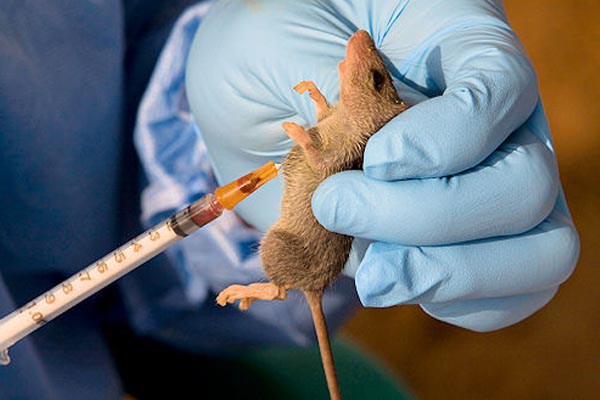
The News Agency of Nigeria (NAN) reports that Lassa fever is a viral haemorrhagic disease transmitted primarily through contact with the urine or faeces of infected rats.
It can also spread from person to person through bodily fluids, contaminated objects, or infected medical equipment.
Doctors said symptoms include fever, sore throat, headache, vomiting, muscle pain, and, in severe cases, bleeding from body openings. (NAN)
